How Perfume Can Help Remove Stains from Wooden Tables

Perfume is a staple in many people’s daily routines, celebrated for its ability to enhance personal presence with delightful fragrances. However, beyond its role as a beauty product, perfume has a surprising and lesser-known use: removing stains from wooden surfaces. While this might sound unconventional, it’s rooted in the science of how perfumes are made.
Let’s explore why perfume can act as a stain remover for wooden tables, how to use it effectively, and the precautions to take when applying this method.
Related article:
- How much does it cost to hire an architect in Australia? How can I find the right architect for my project?
- What Is Interior Design? What Is Interior Decoration? What are the Differences?
- Why do people like plantation shutters? Are plantation shutters elegant? What are the best types of plantation shutters to get?
Understanding the Composition of Perfume
To understand how perfume can help remove stains from wooden tables, it’s essential to look at its composition. Most perfumes consist of three main components:
- Alcohol: The primary ingredient in many perfumes, often ethanol or denatured alcohol, makes up a significant percentage of the formula. Alcohol is a powerful solvent capable of dissolving oils, waxes, and other residues.
- Essential Oils and Aromatic Compounds: These provide the fragrance but often contribute only a small percentage of the total volume.
- Water: Many perfumes include water to dilute the alcohol and enhance the overall texture.
The high alcohol content is the key to why perfume can act as an effective cleaning agent. Alcohol’s ability to dissolve a variety of substances makes it particularly useful for tackling stains on wood.
How Wooden Tables Get Stains
Wooden tables are both functional and aesthetically pleasing, but they’re also prone to stains. Common culprits include:
- Oil-Based Substances: Cooking oil, greasy foods, and hand creams can leave behind stubborn marks on the wood’s surface.
- Water Rings: Spilled water or condensation from cold glasses often causes white, cloudy rings, especially on untreated or poorly sealed wood.
- Ink or Dye Stains: Accidental spills from pens, markers, or other coloured liquids can seep into the wood grain.
- Wax or Polish Residue: Overuse of wax-based cleaners can create a buildup that appears dull or cloudy.
When stains form, they can penetrate the wood’s porous surface, making them difficult to remove without damaging the finish. This is where perfume can come to the rescue.
The Science Behind Perfume as a Stain Remover
1. Alcohol as a Solvent
Alcohol is a versatile solvent that can dissolve both polar and nonpolar substances. For wood stains, alcohol’s effectiveness comes from its ability to break down oils and other organic compounds. When you apply perfume to a stain, the alcohol penetrates the wood’s pores and loosens the molecules causing the discoloration.
2. Evaporation Properties
One of alcohol’s key advantages is its rapid evaporation rate. Once the perfume is applied, the alcohol dissolves the stain and then evaporates quickly, leaving behind a clean surface without saturating the wood.
3. Gentle Cleaning Action
Unlike harsh chemical cleaners, perfume’s diluted alcohol content is less likely to damage the wood’s finish. It’s particularly useful for small, superficial stains that don’t require heavy-duty cleaning products.
Step-by-Step Guide to Using Perfume for Wood Stains
If you’ve decided to give this method a try, follow these steps to ensure the best results:
Step 1: Test in an Inconspicuous Area
Before applying perfume to the stain, test it on a hidden part of the table to ensure it won’t damage the finish. Some wood treatments and varnishes may react differently to alcohol.
Step 2: Choose the Right Perfume
Not all perfumes are created equal. Look for one with a high alcohol content and minimal oils or additives. Avoid perfumes with sticky or sugary ingredients, as these can leave behind residue.
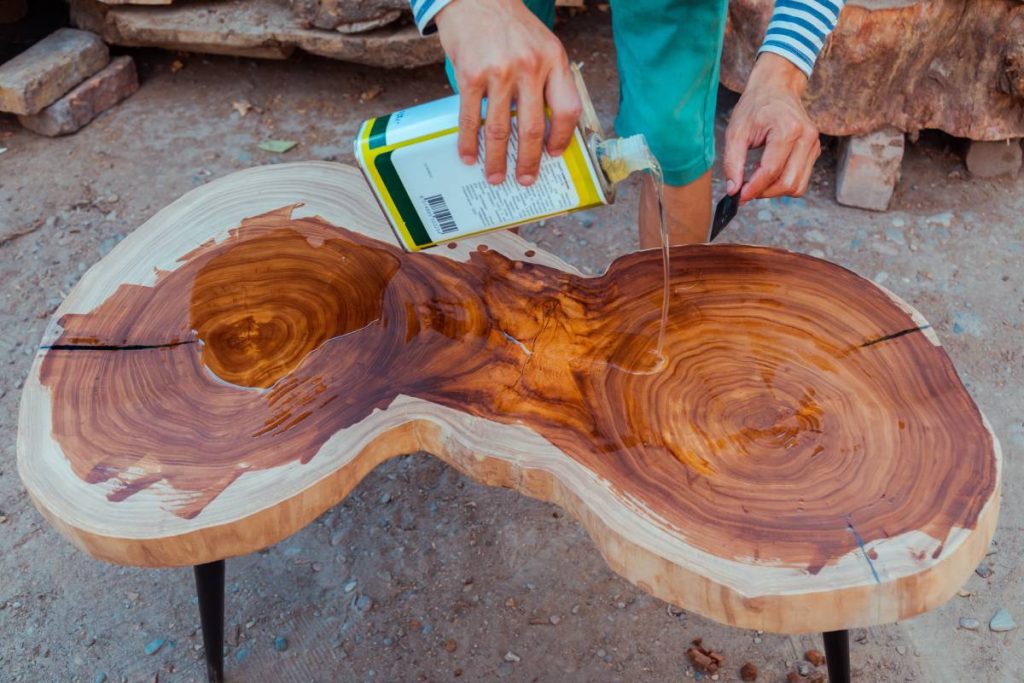
Step 3: Apply the Perfume
- Lightly spray the perfume onto a clean, soft cloth rather than directly onto the wood. This ensures controlled application and prevents oversaturation.
- Gently dab the stained area with the cloth, allowing the alcohol to work on the stain. Avoid rubbing too hard, as this may damage the wood’s surface.
Step 4: Let It Sit
Allow the perfume to sit on the stain for 10-15 seconds. This gives the alcohol time to break down the stain’s molecules.
Step 5: Wipe Clean
Use a dry, soft cloth to wipe away the perfume and any dissolved stains. Follow the direction of the wood grain to maintain its natural appearance.
Step 6: Finish with Polish (Optional)
If the wood’s finish appears dull after cleaning, apply a small amount of wood polish or wax to restore its shine.
When Perfume Works Best
Perfume is particularly effective for certain types of stains, including:
- Grease or Oil Marks: The alcohol cuts through oily residues, making them easy to remove.
- Water Rings: While deeper water stains may require other treatments, light water rings often respond well to perfume.
- Surface Dirt or Smudges: Perfume can act as a quick fix for superficial marks.
Limitations and Precautions
While perfume can be an effective stain remover in some cases, it’s not a universal solution. Here are some limitations and precautions to keep in mind:
1. Not Suitable for Deep Stains
Perfume works best on surface-level stains. Deeper discolourations that have penetrated the wood’s grain may require sanding or specialized wood treatments.
2. Risk of Overuse
Excessive use of perfume can strip the wood’s natural oils or damage its finish. Always use sparingly and avoid soaking the surface.
3. Fragrance Residue
Perfumes with strong scents may leave behind a lingering fragrance. If this is a concern, use an unscented alcohol-based product instead.
4. Compatibility Issues
Certain types of wood, particularly untreated or antique pieces, may react poorly to alcohol. Always test first and consult a professional if you’re unsure.
Why This Method is Handy
Using perfume to clean stains is not only effective but also convenient. Many people already have a bottle of perfume at home, making it an accessible solution for minor cleaning emergencies. Additionally, it’s a gentle alternative to harsher chemical cleaners that might damage delicate wood surfaces.
Alternative Uses of Perfume in Cleaning
Beyond wooden tables, perfume can be a surprisingly versatile cleaning tool for other household tasks, including:
- Removing Sticker Residue: The alcohol in perfume can dissolve adhesive residue left behind by stickers or labels.
- Polishing Glass or Mirrors: A small amount of perfume can give glass surfaces a streak-free shine while leaving a pleasant scent.
- Neutralizing Odors: Spraying perfume on fabric or in small spaces can help eliminate unpleasant smells.
Conclusion
While perfume is primarily designed for personal use, its high alcohol content makes it a surprisingly effective tool for removing stains from wooden tables. The alcohol acts as a solvent to dissolve oils and other residues, while its rapid evaporation prevents damage to the wood. However, as with any cleaning method, it’s important to use perfume sparingly and test it on a small area first to avoid unintended damage.
Next time you’re faced with an annoying stain on your wooden furniture, consider reaching for your bottle of perfume. It might just save your table—and leave your room smelling great in the process!