What is a good house? How much does it cost to make a good house in Australia?

Building a house isn’t just about putting up walls; it’s about creating a space that supports comfort, lifestyle, and long-term value. In Australia, where climate, land conditions, regulations and construction costs vary widely, understanding what makes a good house is essential before committing to a build. A well-designed home should feel comfortable year-round, be affordable to maintain, and be constructed with materials that stand the test of time. But how much does it actually cost to create a home that ticks all those boxes? In this article, we break down the key qualities that define a good house and reveal the real-world costs of building one in Australia today.
What makes a house “good”?
1. Functional, practical layout
A good house supports the lifestyle of the people living in it. That means:
- Well-connected kitchen, dining and living areas
- Logical circulation paths
- Bedrooms positioned for privacy
- Adequate storage (often overlooked but essential)
- Multi-purpose rooms that adapt to changing needs
Function often costs less than finishes, and consulting an architect during the early design phase can help optimise space without increasing construction costs unnecessarily.
2. Quality construction and durable materials
A house built with the right materials for its climate will perform better for decades. Good construction includes:
- Strong foundations
- Moisture-controlled waterproofing
- Reliable framing
- High-quality roofing
- Properly installed windows and insulation
Durability doesn’t always mean expensive. It means appropriate, for example, corrosion-resistant fixtures in coastal areas or termite-resistant framing in high-risk zones.
3. Energy efficiency and comfort
Australian energy costs continue to rise, so an efficient home is not only environmentally wise but financially smart. Key features include:
- High-quality insulation
- Double-glazed windows
- Air sealing to prevent drafts
- Passive solar orientation
- Efficient heating and cooling systems
- LED lighting
- Solar power capability
Many homeowners also work with local electrical experts to maximise efficiency and safety. For example, companies like Reds Power Solutions in Newcastle help new-build owners install energy-efficient electrical systems, solar setups and safe wiring that support long-term savings and comfort.
4. Low maintenance and ease of care
A good home shouldn’t constantly demand repairs. Low-maintenance choices include:
- Durable flooring
- Simple rooflines (complex roofs cost more to build and maintain)
- Weather-resistant exterior finishes
- Easy-access service points for plumbing and electrical
Strategic choices during construction reduce headaches later.
5. Future-proofing
Families and lifestyles evolve. Good houses adapt.
Features like:
- Flexible room layouts
- Wider doorways
- Step-free entries
- EV-charging provisions
- Allowance for future solar battery storage
…make a house functional for decades.
6. A good site and smart location
Even the best house cannot overcome a poor block of land. Ideal sites minimise expensive excavation, offer good drainage, and avoid bushfire or flood-prone zones unless properly engineered.
Location also affects liveability:
- Proximity to work
- Transport links
- Schools
- Medical centres
- Supermarkets and amenities
A good house is part of a good lifestyle ecosystem.
How builders and the industry measure cost
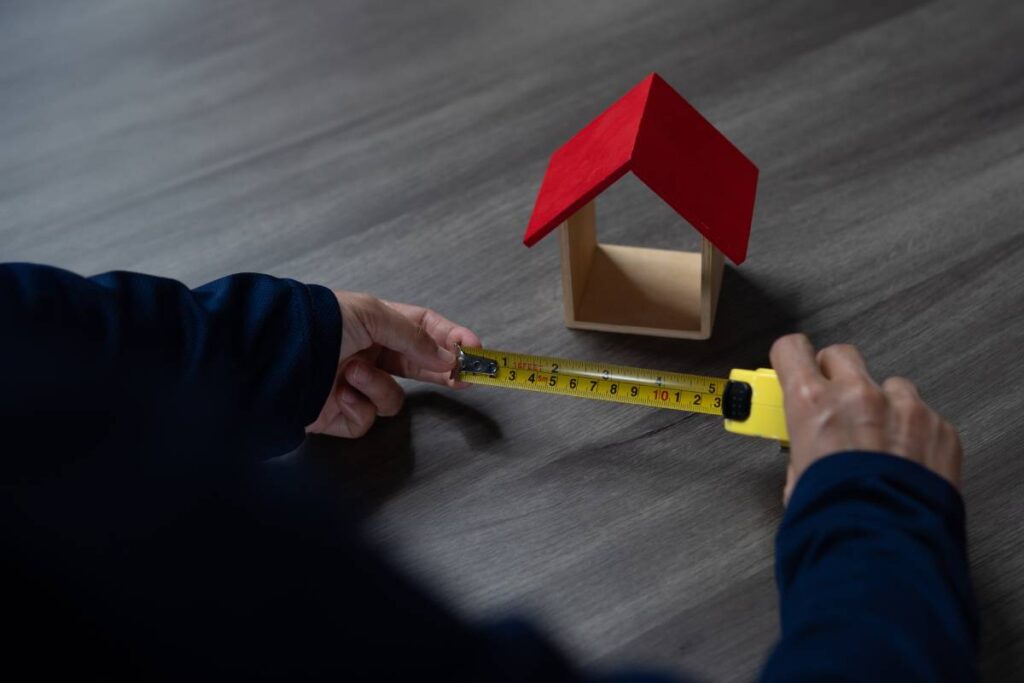
Most cost estimates in Australia use price per square metre (m²). This varies widely depending on:
- State or region
- Complexity of the design
- Choice of materials
- Quality of finishes
- Site condition
- Builder type (project builder vs custom home builder)
It’s important to understand that per-sqm pricing usually covers the building structure and interior but excludes land, major earthworks, landscaping, and some council-related costs.
How much does it cost to build a good house in Australia?
Costs continue to rise due to labour shortages, material supply issues and higher regulatory requirements. As of 2024–2025, most industry estimates place construction costs in the following ranges:
Basic/entry-level home
(A simple project-builder home with standard finishes)
$1,600 – $2,300 per m²
Mid-range quality home
(Higher-quality finishes, more customisation, better insulation and glazing)
$2,300 – $3,300 per m²
High-end / custom architect-designed home
(Luxury materials, complex shapes, premium fixtures, detailed workmanship)
$3,300 – $4,500+ per m²
To put that into perspective:
Example cost calculations
Small 160 m² home
- Low range: ~$288,000
- Mid range: ~$400,000
- High end: ~$720,000
Average 200 m² family home
- Low range: ~$360,000
- Mid range: ~$520,000–$660,000
- High end: ~$900,000
Larger 300 m² home
- Low range: ~$540,000
- Mid range: ~$750,000–$990,000
- High end: $1.2 million+
These figures are for construction only. They do not include the many additional costs below.

Additional (often hidden) costs to budget for
1. Land
In many cities, land is more expensive than the house itself.
2. Site works
Depending on soil type, slope and accessibility, site works can cost:
- $10,000–$80,000+
Rocky blocks, steep slopes or poor drainage can push costs much higher.
3. Council fees & approvals
Including:
- Development application (DA) fees
- Construction certificate
- Planning assessment fees
- Engineering reports
- Infrastructure contributions (which can be very high in some councils)
Total: $5,000–$40,000+
4. Utility connections
Water, sewer, power and NBN may cost:
- $5,000–$25,000 depending on the site.
5. Landscaping, driveway, fencing
These are commonly excluded from builder contracts and can cost:
- $10,000–$50,000+
6. Interior extras
Such as:
- Blinds
- Curtains
- Feature lighting
- Premium appliances
- Built-in cabinetry
- Flooring upgrades
Budget: $8,000–$30,000+
7. Contingency
Most professionals recommend 10–15% extra for unforeseen issues or upgrades during construction.
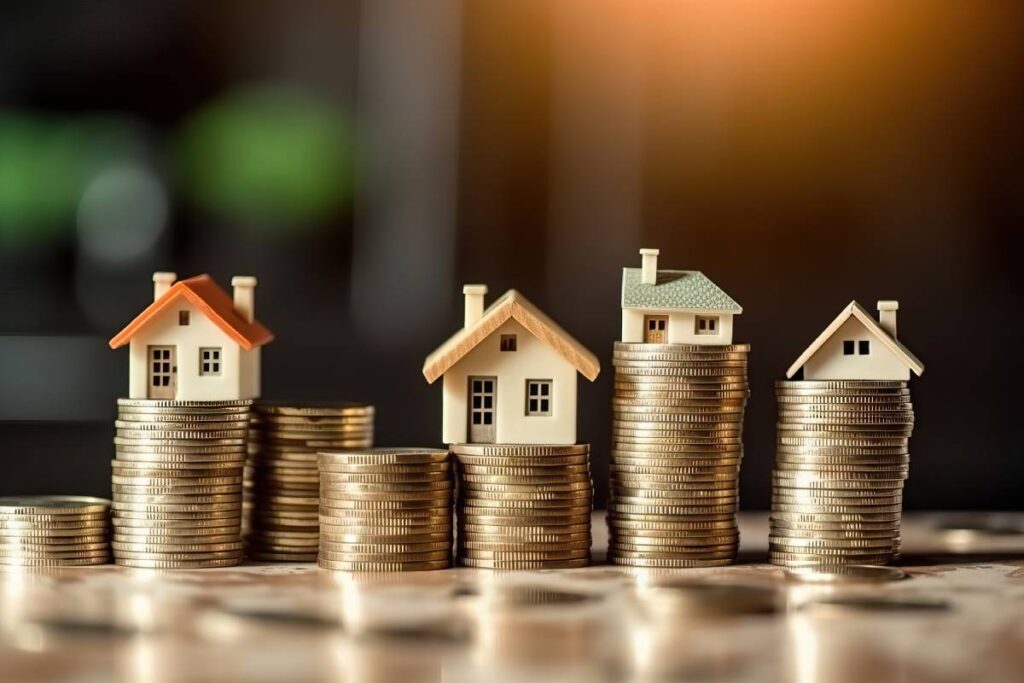
When all add-ons are included, a $400,000 build can easily reach $550,000–$650,000 by completion.
What drives prices up?
1. Design complexity
Curved walls, multiple rooflines, high ceilings and large expanses of glazing significantly increase labour and material costs.
2. Customisation
Custom homes require more specialised trades and longer build times.
3. Level of finish
Premium stone, imported tiles, hardwood flooring and bespoke joinery push budgets higher quickly.
4. Location-based labour rates
Building in Sydney, Canberra, or coastal hotspots usually costs more than in regional towns.
5. Market conditions
Material shortages, high demand and skilled-labour scarcity continue to shape pricing across Australia.
How to build a good house without overspending
1. Prioritise function, not just appearance
A beautiful home that performs poorly (hot, cold, or inefficient) becomes expensive long-term.
2. Spend where it matters
Areas worth the investment:
- Insulation
- Glazing
- Roofing
- Waterproofing
- Energy-efficient electrical systems
- High-quality windows and doors
These are harder and more expensive to upgrade later.
3. Keep the design simple
Simple rooflines and rectangular footprints are more cost-effective and reduce long-term maintenance.
4. Choose the right builder
Compare:
- Inclusions lists
- Warranty conditions
- Build timelines
- Reputations and client reviews
A transparent builder will save money and stress.
5. Get detailed quotes
Avoid vague estimates. Request a complete breakdown of:
- Site costs
- Fixtures
- Internal finishes
- Electrical
- Plumbing
- Allowances for unexpected items
6. Plan for energy efficiency early
Solar capability, efficient wiring and smart electrical design are easiest to implement during construction. Local experts like Reds Power Solutions in Newcastle often advise homeowners on how to install systems that reduce long-term energy bills while increasing comfort and safety.
Conclusion
A good house balances intelligent design, high-quality construction and long-term affordability. It is comfortable, functional and tailored to the climate and lifestyle of its occupants. In Australia, building costs vary widely based on design, size, materials and regional factors, but most new builds range between $1,600 and $4,500+ per square metre. After adding land, approvals, site works and finishing touches, a typical family home usually falls somewhere between $450,000 and $900,000 and though higher-end custom homes can exceed $1 million.
By prioritising durability, energy efficiency, smart electrical systems and future-proof design, you can create a house that not only looks beautiful but performs exceptionally for decades to come.