Why Does Protein Matter for Muscle Growth? How Much Protein Do You Need Per Day? Can You Have Too Much Protein?

For many years, high-protein diets were met with scepticism due to concerns about potential harm to the kidneys, heart, and bones. However, recent research has shifted this perspective, showing that healthy high-protein diets can be safe and beneficial for most people.
This article explores the current understanding of high-protein diets, their benefits for body composition, bone health, and heart health, and the potential risks associated with specific protein sources. Additionally, it provides guidance on how to determine your protein needs based on your individual health goals and conditions.
You might also read:
Why Does Protein Matter for Muscle Growth?
Protein plays a crucial role in muscle growth and is often considered the building block of muscles. Whether you’re an athlete, bodybuilder, or just someone looking to stay fit, understanding why protein is important for muscle growth can help you achieve better results in your fitness journey. Here’s a simple breakdown of why protein matters.
1. Muscle Repair and Growth
When you exercise, especially during strength training, small tears occur in your muscle fibres. This is a normal part of working out. However, your body needs to repair these fibres, and this is where protein comes in. Protein provides the amino acids that help rebuild these muscle fibres, making them stronger and bigger over time. Without enough protein, your muscles wouldn’t have the necessary nutrients to repair themselves, leading to slower recovery and less muscle growth.
2. Amino Acids: The Building Blocks
Proteins are made up of smaller units called amino acids. There are 20 amino acids, and 9 of these are considered “essential,” meaning your body can’t produce them on its own. You need to get these essential amino acids through food. Amino acids like leucine, isoleucine, and valine (often referred to as BCAAs—branched-chain amino acids) are especially important for muscle growth because they directly support muscle repair and synthesis.
3. Protein Synthesis

Protein synthesis is the process where your body creates new proteins to repair muscle tissue. When you consume protein, it gets broken down into amino acids, which are then used to build and repair muscle fibres. The balance between protein synthesis and muscle breakdown (caused by exercise or stress) determines muscle growth. If protein synthesis is greater than muscle breakdown, you gain muscle. This is why eating protein-rich foods or supplements after a workout is crucial for muscle recovery and growth.
4. Preventing Muscle Loss
In addition to helping with muscle growth, protein plays a key role in preventing muscle loss. This is especially important if you’re on a calorie-restricted diet or cutting down body fat. Without enough protein, your body might break down muscle tissue to get the energy it needs. To preserve muscle while losing fat, it’s essential to consume adequate protein and maintain your workouts.
5. How Much Protein Do You Need?
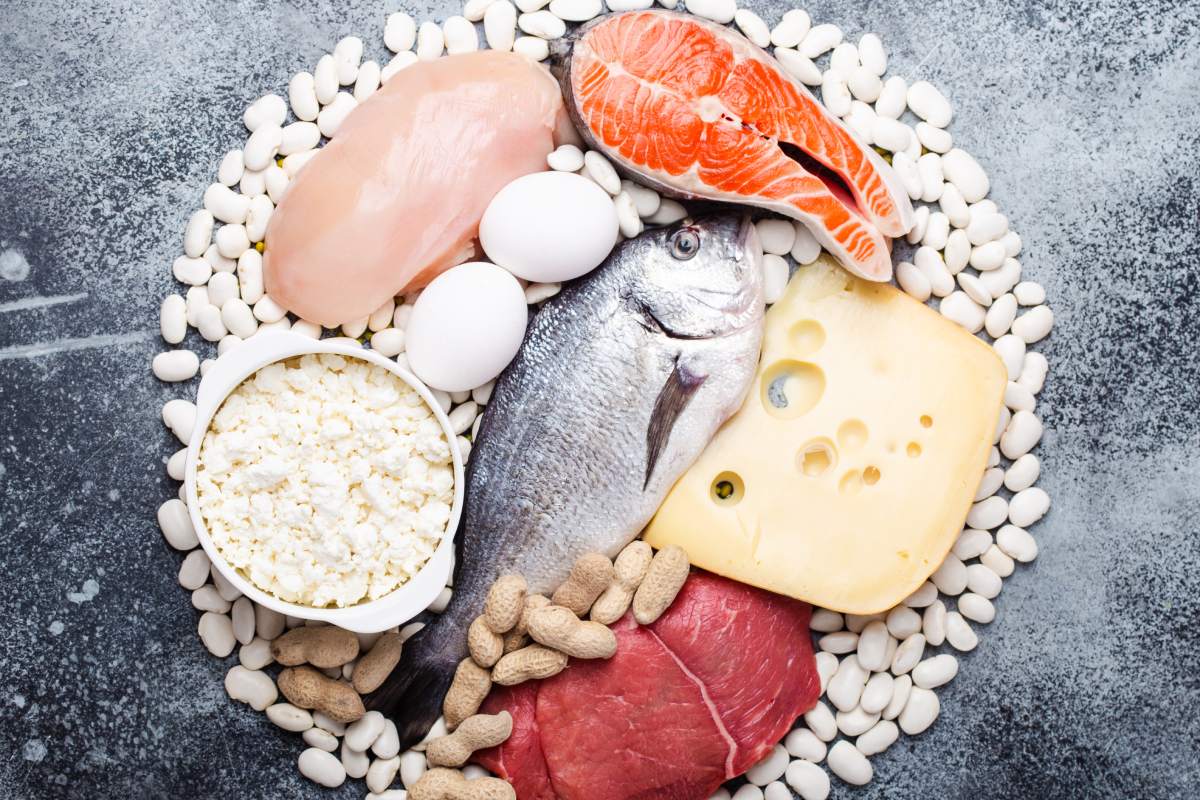
The amount of protein you need depends on various factors, including your activity level, age, and fitness goals. Generally, if you’re trying to build muscle, you should aim for about 1.6 to 2.2 grams of protein per kilogram of body weight. For example, if you weigh 70 kg, you would need between 112 and 154 grams of protein per day. This can come from a combination of whole foods like chicken, fish, eggs, dairy, beans, and protein supplements if needed.
6. When to Eat Protein
Timing matters when it comes to protein intake for muscle growth. While spreading your protein intake throughout the day is important, having a serving of protein-rich food or a shake within 30 minutes to an hour after your workout can enhance muscle recovery. This is often referred to as the “anabolic window,” where your muscles are most receptive to nutrients that promote repair and growth.
7. Choosing the Right Protein Sources
Not all proteins are created equal. Animal-based proteins like meat, eggs, and dairy are considered complete proteins, meaning they contain all the essential amino acids your body needs. Plant-based proteins like beans, lentils, and tofu are great options, but they may lack one or two essential amino acids. If you follow a plant-based diet, combining different protein sources can help ensure you get all the necessary amino acids.
How Much Protein Do You Need Per Day?
The amount of protein you need per day can vary based on several factors, including your activity level, age, fitness goals, and overall health. Here’s a general guide to help you determine your protein needs:
1. General Recommendations
For most adults, the Recommended Dietary Allowance (RDA) for protein is 0.8 grams per kilogram (g/kg) of body weight. This is the minimum amount needed to meet the basic nutritional requirements and is suitable for sedentary individuals.
2. Active Individuals and Athletes
If you’re active or aiming to build muscle, your protein needs are higher. The general recommendation for those involved in regular exercise, strength training, or bodybuilding is about 1.2 to 2.2 g/kg of body weight. For example:
- A person weighing 70 kg (154 lbs) should aim for 84 to 154 grams of protein per day.
3. Older Adults
Older adults might need more protein to help maintain muscle mass and strength, as muscle loss can be a concern with ageing. Recommendations for older adults are around 1.0 to 1.2 g/kg of body weight.
4. Weight Loss and Body Composition Goals
If you’re trying to lose weight while preserving muscle mass, a higher protein intake can be beneficial. Aiming for 1.6 to 2.2 g/kg of body weight can help you maintain muscle while in a calorie deficit.
5. Pregnant and Breastfeeding Women
Protein needs also increase during pregnancy and breastfeeding. Pregnant women should aim for about 1.1 g/kg of body weight, and breastfeeding women may need around 1.3 g/kg to support both their own needs and their baby’s growth.
6. Protein Needs in Different Diets
- Vegetarians and Vegans: Plant-based diets can also meet protein needs, but it may require more planning to ensure all essential amino acids are consumed. Combining different protein sources like beans, lentils, and grains can help achieve this.
How to Calculate Your Protein Needs
- Determine Your Weight in Kilograms: If you know your weight in pounds, divide by 2.2 to convert it to kilograms. For example, if you weigh 150 lbs, that’s approximately 68 kg (150 ÷ 2.2).
- Choose Your Protein Range: Based on your activity level and goals, choose an appropriate protein range (e.g., 1.2 to 2.2 g/kg for active individuals).
- Calculate Your Daily Protein Needs: Multiply your weight in kilograms by the protein range. For instance, if you weigh 68 kg and aim for 1.5 g/kg, you need 102 grams of protein per day (68 × 1.5).
Example Calculation
For a 70 kg person aiming for 1.6 g/kg of protein: 70 kg × 1.6 g/kg = 112 grams of protein per day.
Adjusting your protein intake based on your specific needs can help you achieve your health and fitness goals more effectively. If you have specific health conditions or dietary restrictions, consulting with a healthcare provider or nutritionist can provide personalized recommendations.

Can You Have Too Much Protein?
For a long time, there were concerns that high-protein diets might be harmful to the kidneys, heart, and bones. However, recent research suggests that, for most people, healthy high-protein diets are generally safe.
This shift in understanding highlights that high-protein diets, when done right, can offer significant health benefits without the risks that were once feared.
High-Protein Diets and Safety
Historically, high-protein diets were associated with potential health risks. Some studies raised concerns about possible damage to the kidneys, heart, and bones from excessive protein intake. However, newer research has shown that high-protein diets are generally safe for most healthy individuals. In fact, diets providing more than four times the Recommended Dietary Allowance (RDA) for protein have been found to be safe for those who are physically active. While more research is needed to fully understand the long-term effects, current evidence does not indicate that high-protein diets are harmful to overall health.
Benefits of High-Protein Diets
High-protein diets have several benefits, especially for those who are active and looking to improve body composition. Here’s how they can help:
- Body Composition: High-protein diets can be effective for maintaining muscle mass and promoting fat loss. Protein supports muscle repair and growth, which is essential for those engaged in regular exercise or strength training.
- Bone Health: Contrary to past beliefs, high-protein diets can actually benefit bone health. Adequate protein intake helps maintain bone density and strength, which is crucial for preventing osteoporosis and fractures.
- Heart Health: Emerging evidence suggests that high-protein diets, particularly those emphasizing lean proteins like fish and poultry, can have positive effects on heart health. They may help manage weight and reduce the risk of heart disease when compared to diets high in unhealthy fats and refined sugars.
Potential Risks of Specific Protein Sources
While high-protein diets can be beneficial, the type of protein consumed matters. Diets high in red and processed meats have been linked to several health risks, including:
- Colon Cancer: Consuming large amounts of red and processed meats has been associated with an increased risk of colon cancer.
- Heart Disease: Diets rich in processed meats can contribute to higher cholesterol levels and increased risk of heart disease.
For example, a study published in the European Journal of Epidemiology found a connection between high consumption of red and processed meats and various health issues, including cancer and cardiovascular diseases.
Considerations for Individuals with Kidney Disease
For people with normal kidney function, high-protein diets are generally safe. However, those with pre-existing kidney conditions should be cautious. Excessive protein intake can accelerate kidney function decline in individuals with kidney disease, so it’s important to tailor protein consumption to their specific needs and limitations.
Determining Your Protein Needs
Your protein needs depend on various factors, including body weight, age, and activity level. Here’s a basic guideline:
- Physically Active Individuals: Generally need between 1.2 to 2 grams of protein per kilogram of body weight per day (0.54 to 0.9 grams per pound). This range helps maintain muscle mass and supports recovery.
- Athletes and Bodybuilders: May require more, exceeding 2 grams per kilogram (0.9 grams per pound), especially if they aim to build muscle mass while losing body fat.
Getting Professional Advice
If you’re unsure about how much protein you need or how to create a high-protein diet that fits your health goals, consulting a knowledgeable healthcare provider or a registered dietitian can be very helpful. They can design a personalized plan based on your specific needs, helping you achieve your body composition goals while ensuring you maintain overall health.
In summary, high-protein diets are generally safe and beneficial for most people when done correctly. However, the type of protein and individual health conditions should be considered to optimize benefits and minimize risks.